The situation
You have an AI-generated or AI-enabled system that seems to work
As long as it’s running on your computer without sensitive data, it feels safe and seems ready. Whatever you ask ChatGPT or Claude to create, it simply builds without any questions asked.
However, what do a million lines of AI-generated code actually achieve? And what happens in those 20% cases when large language models in business core systems or in customer-facing features produce errors? Is it truly safe to use them as-is in real operations with real customers? What evidence will your teams and auditors have to support their findings?
In regulated industries, this uncertainty leads to financial and reputational losses.
What you get
Get a 360-degree perspective to make a confident decision
First · my view of the situation
You bring a concrete decision and together we’ll work through your current situation, what’s achievable for your company at this stage and the crossroads you face. With 20 years of experience in what works and what doesn’t for continued success, I’ll apply that knowledge to your situation in just a few hours.
Then · specialist expertise
When a decision requires expertise from my multidisciplinary team, I know exactly who to involve and when. This approach ensures a comprehensive 360-degree perspective, providing a complete understanding of business needs, customer expectations, system constraints, and alignment with delivery. It also covers AI model output validation, cybersecurity, and the evidence your teams and auditors will need.
The important part
Sometimes the answer is no.
Sometimes the best course of action is to pivot or simply stop. These are the moments when the service truly delivers value. When used effectively, AI can significantly speed up work. However, when misused, it accelerates poor decisions and increases the cost of rectifying them.
How it starts
Our discovery session kicks things off.
In our first session, bring a concrete decision you’re currently facing, and we’ll discuss whether collaborating is a good idea.
If we both find value in this, we’ll continue on a monthly basis. This will involve one full-day working session per week. The fee will be a fixed monthly amount of 5,000 EUR plus VAT and will continue as long as it remains beneficial for you.
Track record
Where this comes from.
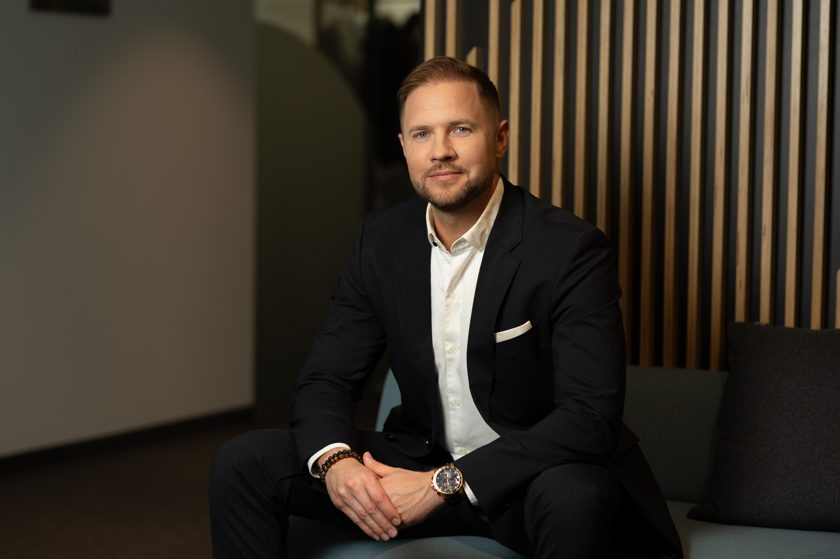
I am Allan Valm, with 20 years’ experience leading customer-centric design and engineering of business core systems, customer-facing applications, and scalable platform as services for leaders at Ericsson, Telia, Playtech, Inbank, Veriff, Apollo Cinema, MyFitness, and Enterprise Estonia (EIS).
With enough wins and losses to understand what works and what doesn’t for continued success. I understand people, business, and technology to find a shorter, more predictable, and safer path to AI-enabled solutions that leaders can rely on and customers stay loyal to.
Helmes · 2025 to now
Leading a business area with two autonomous software product teams with a focus on building customer-centric AI-enabled systems, business core systems, and customer-facing applications for regulated industries. Among them the Estonian Tax and Customs Board, the Ministry of Foreign Affairs and Enterprise Estonia (EIS).
Digital Elegance · 2023 to now
Served as a mentor and trainer for four seasons of the export-focused service design masterclass organised by Enterprise Estonia (EIS). Eighty companies participated, including the Port of Tallinn. My work was helping them design and validate B2B services before committing to build them.
Mobi Lab · 2017 to 2023
Led product teams delivering mobile apps for Telia, Inbank, Veriff and Apollo Group. Founded Reality Maker, an augmented reality platform for education, secured over 600,000 EUR in funding and scaled it with Ericsson into the US and UK.
Inbank · 2015 to 2017
Built and led the bank's first software engineering team. The processes we put in place passed external compliance audits on the first attempt. Its first deposit product launched in three months, met its financial goals within two weeks and scaled to Poland and Latvia within six months.
Playtech · 2010 to 2014
Designed responsible-gambling and loyalty features for a retail casino management platform used by Coral, Ladbrokes and William Hill. Introduced a testing framework that stopped critical bugs in major releases.
Contact
One decision is enough to start.
Bring one concrete decision you are facing now so we can find a way to move faster without losing control.
I read these myself and reply within one working day.